HP Loves Remanufactured Cartridges?
Well, not really, but they are willing to give the consumer a chance to decide.
An editorial was written in the January issue of Recharger Magazine, a magazine written for the remanufactured printer cartridge industry (probably not to high your reading list - People . . . Newsweek . . . Recharger?). The opinion piece was written by an individual within the remanufacturing industry and focused on Hewlett Packard’s promise to fairly compete with the aftermarket.
Just a little over 3 years ago the HP Senior VP of Printer Supplies publicly stated HP’s intentions to fairly compete with the remanufacturing industry (the aftermarket as they called it). HP took this position after Lexmark had engaged in litigation against one of the largest remanufacturing companies in the industry, and claimed that they would not follow the same path as Lexmark. They would also not engage in the use of chips on their cartridges as “lockout” devices. HP also stated that it is up to the customer to decide if they want to use new OEM or remanufactured cartridges, and that HP would consciously make sure that its cartridges could be reused.
In the three years since HP has made these statements they have done a pretty good job holding true to their word. While Lexmark has continued to attempt to lock remanufactured/recycled cartridges out of the market in the federal courts, HP has seemed to focus more on “what they can control” - making their product better.
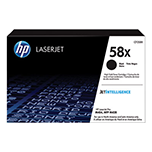
In 2006 HP released the Color LaserJet 2600 printer, which utilized a toner cartridge featuring a new direct-contact chip. This chip is a high level authentication system that allows the printer to determine if the cartridge being used is an HP manufactured cartridge, or if it is a aftermarket cartridge.
Was this a sign that HP was going back on their word?
Well, not really. They said they would fairly compete with the aftermarket, but they never said they would make it easy for the aftermarket to complete with them. We can appreciate that approach! The chip they designed, after some research, was deemed able to replicate by even those using mid level chip designs. The chip authentication system could be activated by either an HP manufactured cartridge or an aftermarket cartridge at any time.
Just as the author of the editorial, we commend HP for their statements and actions that remain in line with those statements. We understand they won’t make it easy and will take all the technological competitive advantages they can manage. They’ve also have a VERY LARGE marketing budget at their disposal and will put that to good use to try to convince everyone that original HP products are far better than remanufactured products (see a recent blog post).
At the end of the day HP is allowing space for aftermarket printer cartridges. They are giving the customer the right to choose. That is all we can ask for. It is our job to make you want our product instead of theirs.


March 21st, 2007 at 10:38 am
Are they competing or completing? If you’re going to write an article, at least check the grammar. I couldn’t enjoy the article because of those two screw ups. It’s not enough to just run spell check.
March 21st, 2007 at 12:12 pm
People who can’t tolerate mistooks must be interesting to get along with.
March 21st, 2007 at 12:44 pm
Typos are an inherent part of everything. I’m a published author, and even when several people have gone over something that I’ve written mistakes still get overlooked.
All in all, I enjoyed this article. Content is what is important.
March 22nd, 2007 at 4:01 am
If HP wants to make it good for the user and the industry, they could quit dessigning new cartridge [ackages and standardize on a few decent sized cartridges.
March 22nd, 2007 at 2:22 pm
Greg - They were competing.
Thanks to those that contributed their opinions on the error in this post. I appreciate the feedback, and rest assured, the error has been corrected. Hopefully the content was enough to take everyone else’s mind off the error. My apologies.
March 24th, 2007 at 3:24 am
Refrence standerdizing on a few printer sizes of cartriges please listen.
March 27th, 2007 at 8:47 am
Standardization is important. It makes life a lot easier.
However, I’ve gone through a lot of printers over the years because most of them balk at printing out 500 page manuscripts. As a result I have noticed things that raised questions in my mind about price and quality.
My old Brother did 500 pages without a sweat and the black cartridges cost only $14. The HP and Lexmark cartridges are lucky to do 250 pages and cost more than twice what the ones for my old Brother cost.